




Drainage in Colorado Springs
Drainage solutions that move water away from your home and protect your property from damage.
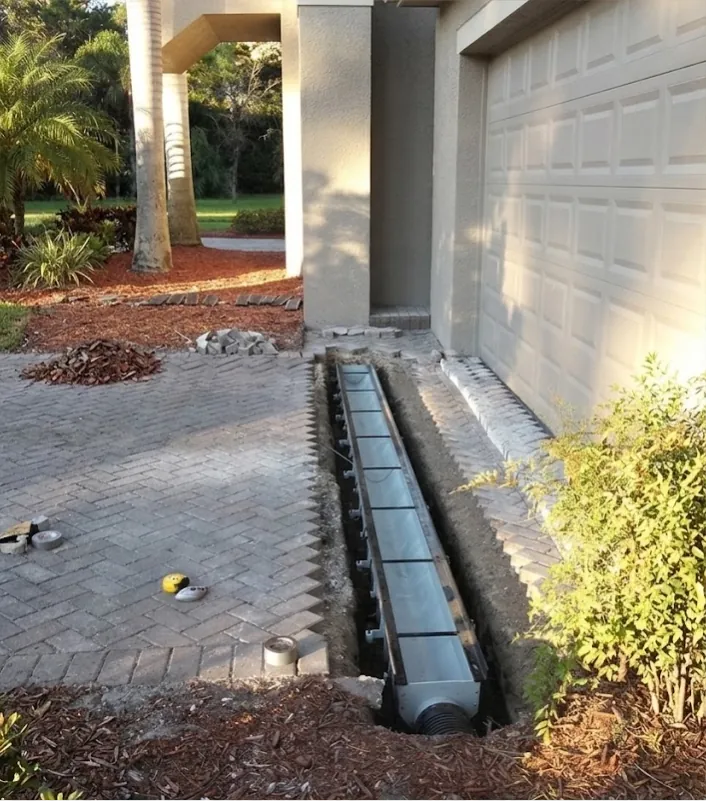
Drainage Services in Colorado Springs
Standing water in the yard, a soggy strip that never dries out, gutters dumping straight onto the foundation — these are drainage problems, and they get worse every season you leave them. Affordable Services Inc. has been solving them across Colorado Springs since 1996. We grade yards, install French drains, build dry creek beds, set catch basins, bury downspout extensions, and fix the window wells that fill up every time it storms. Call 719-572-1768 for a free estimate.
If you are sorting the problem before we visit, start with signs your yard has a drainage problem and French drain or regrading.
Signs you have a drainage problem
- Water pooling in the yard more than a day after rain or snowmelt.
- Damp basement walls, efflorescence, or a musty smell after storms.
- Soil washing out of beds and across walkways and driveways.
- Window wells filling with water or debris.
- Grass dying in patches where roots sit waterlogged.
- Cracks in a foundation, patio, or walkway that keep widening.
- Mosquitoes breeding in water that never drains away.
Most of these trace back to the same root cause: water has nowhere to go, so it sits where it lands or runs toward the house instead of away from it. The fix is almost always some combination of reshaping the ground and giving the water a path.
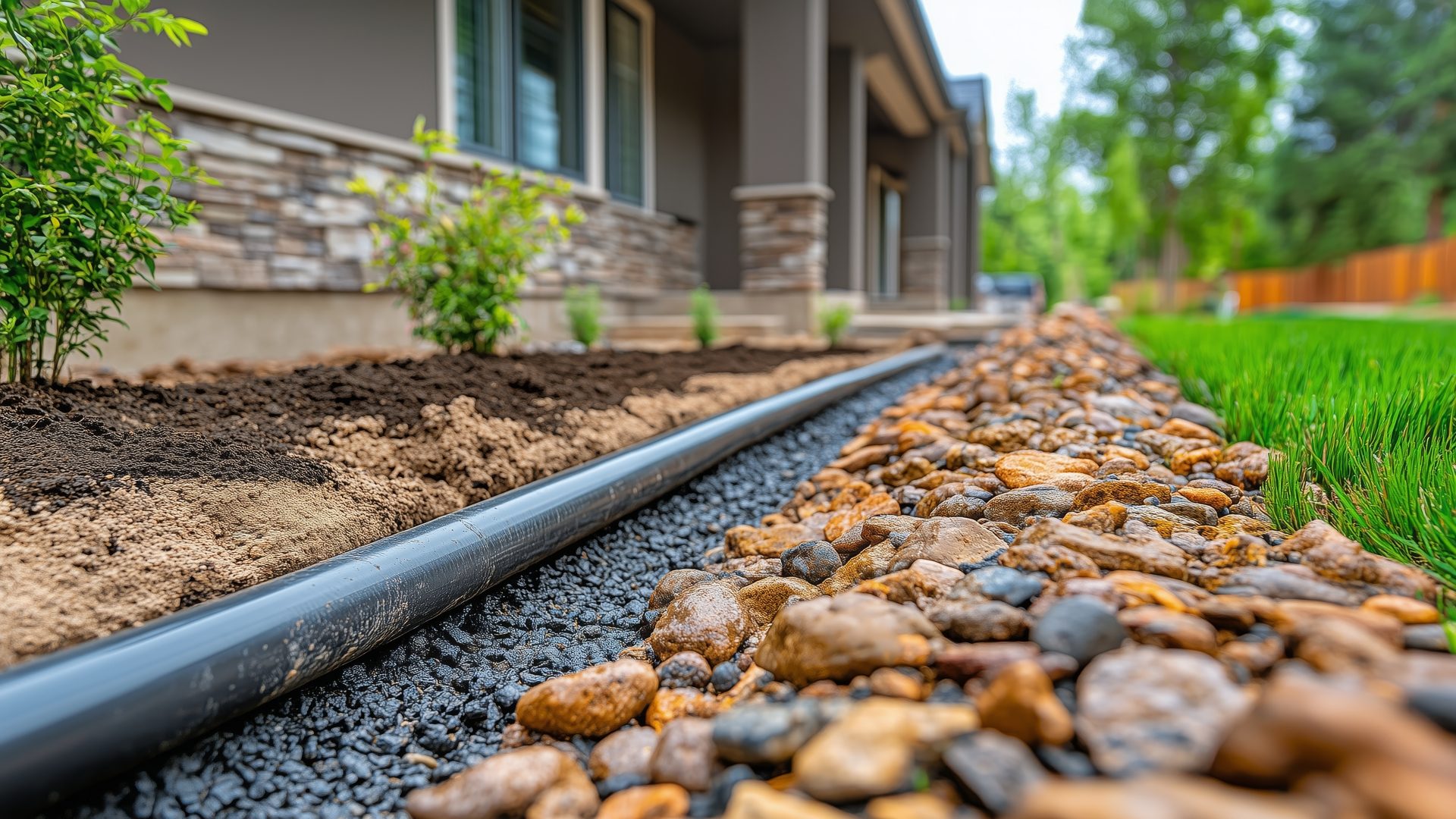
Why Colorado Springs yards flood
Drainage here is not the same problem it is elsewhere, and a contractor who has not worked this soil will get it wrong.
Clay soil that swells and shrinks. Much of El Paso County sits on expansive clay. It absorbs water slowly, so rain runs across the surface instead of soaking in, and it swells as it takes on moisture and shrinks as it dries. That movement is what pushes on foundations, lifts patios, and opens cracks in concrete. Keeping water away from the soil against your house is the whole game.
Monsoon rain that arrives all at once. Late summer storms drop a lot of water in a short window. A yard that handles a gentle spring rain fine can flood in twenty minutes in August, because the problem is not total rainfall — it is rate. Drainage has to be sized for the worst storm, not the average one.
Snowmelt and freeze-thaw. Winter runoff is slower but it lasts for weeks, and it saturates ground that is still frozen underneath and cannot absorb anything. Water repeatedly freezing and thawing in the same crack is what turns a hairline into a real problem.
Slope, and the lack of it. Plenty of local lots were graded to shed water off the building pad and never finished properly at the yard level, or have settled in the decades since. Ground that once sloped away from the house now sloped back toward it is one of the most common things we find.
Our drainage solutions
There is no single fix that suits every yard. We walk the property, find where the water actually comes from and where it needs to end up, and use whichever of these gets it there.
French drains
A French drain is a gravel-filled trench with a perforated pipe at the bottom that collects water underground and carries it somewhere harmless. It is the right answer when you have a persistently soggy area, water collecting against a foundation, or a slope that sends runoff toward the house.
Done properly it needs consistent fall along the whole run, the right fabric so it does not silt up and fail in a few years, clean drainage rock rather than fill, and a discharge point that actually works — daylighting to a lower part of the property, a dry well, or a storm connection. Most failed French drains we are called out to replace failed for one of those four reasons.
Yard grading and regrading
Often the cheapest real fix. Reshaping the ground so it falls away from the building instead of toward it solves a surprising number of drainage complaints without installing anything at all. The general standard is a noticeable drop over the first several feet out from the foundation, then a continuous path away from the structure.
Regrading is also what we do when settling has undone the original grade, when a landscaping project or new patio unintentionally dammed a runoff path, or when a neighbouring property sends water your way and it needs redirecting without pushing the problem onto someone else.
Dry creek beds and swales
A swale is a shallow shaped channel that moves surface water along a deliberate route. Line it with stone and plant the edges and it becomes a dry creek bed — the same drainage function, but it reads as a landscape feature rather than a utility. In a climate with dramatic downpours and long dry spells, it looks intentional either way: a rock channel in August is doing visible work, and in October it is simply a design element.
This is a good option when you need to move a lot of surface water across open yard and would rather not bury it, or when the volume is too much for a pipe alone.
Catch basins and area drains
Where water collects in one definite low spot — the bottom of a driveway, a patio corner, a sunken planting bed — a catch basin gives it a drop-in point and pipes it away underground. Basins pair well with French drains and downspout lines, feeding into the same discharge. They need a grate that stays clear and enough fall on the outflow, which is why we set them as part of a whole drainage plan rather than dropping one in and hoping.
Buried downspout extensions
Roof runoff is concentrated water, and a downspout emptying next to the foundation is one of the most common causes of a wet basement. Splash blocks move it a couple of feet, which is rarely enough. Burying a solid pipe from the downspout out to a proper discharge point moves the whole roof's water well clear of the house, and it disappears under the lawn instead of tripping people up.
Window well drainage
A window well that fills with water is a basement flood waiting for the next storm, and the usual causes are a well with no working drain, one that has silted up, or a rusted-out well sitting below grade. We rebuild the drainage beneath the well, replace failed wells, and fit covers to keep rain and debris out. See our window well replacement page for that work in detail.
Terracing and erosion control
On a slope steep enough that water picks up speed, the goal shifts from moving water to slowing it down. Terracing breaks a long slope into shorter level runs so runoff loses energy instead of stripping soil off your property. Combined with the right ground cover and edging it turns an eroding bank into usable, planted space.
What working with us looks like
We come out and look at it. Drainage cannot be diagnosed from a photo. We walk the property, find the high and low points, look at where your gutters discharge, check the grade against the foundation, and ask what happens in a real storm — you have watched your yard flood and we have not, so that description matters.
We tell you what it needs, including when that is not much. Sometimes the answer is a full French drain system. Sometimes it is extending two downspouts and correcting fifteen feet of grade. We would rather tell you it is the small fix.
You get a clear quote before anything starts. Scope, approach, and price in writing, with no pressure to decide on the spot.
We put the yard back. Drainage work means digging, and a job is not finished when the pipe is in. Restoring the surface — soil, sod, rock, plantings — is part of the work, not an extra.
We work with homeowners and businesses throughout Colorado Springs and the surrounding areas, and because we also handle landscaping services in Colorado Springs, yard cleanup, and decks and pergolas, drainage can be designed as part of a wider project rather than bolted on afterwards.
Drainage guides from our team
We write about this work through the year. If you are researching before you call, start with our drainage guides below. Drainage problems often show up alongside other yard work, so we also handle the landscaping and fall yard cleanup that go with them.
Drainage questions we get asked
How do I know if I need a French drain or just regrading?
If water sits on the surface and the ground slopes the wrong way, regrading often solves it on its own. If the ground is already shaped correctly and the area still stays saturated, the water is moving underground and needs a French drain to intercept it. A site visit settles it quickly — the two fixes differ a lot in cost, so it is worth knowing which one you actually need.
What time of year should drainage work be done?
Any time the ground is workable. Spring and fall are the most comfortable, but the useful thing about summer is that you have just watched the monsoon show you exactly where the water goes. Autumn work has the advantage of being finished before snowmelt season, which is when a lot of basement problems actually show up.
Will drainage work wreck my lawn?
Trenching disturbs a strip of ground, and that is unavoidable. Restoring the surface afterwards is part of the job, and within a season the line is usually hard to find.
Can you fix water coming from a neighbour's property?
Usually, yes. It is normally handled by intercepting the water at the boundary and routing it through your property to a proper discharge point. What we will not do is simply push it onto someone else — that trades your problem for a dispute.
Do I need a permit?
Most residential drainage and grading work does not, but larger jobs and anything that changes how water leaves the property can. We will tell you if your project is one of them before we start.
How long does it take?
Most residential drainage jobs run one to three days depending on how much trenching is involved and how much surface restoration follows. Grading-only work is often a single day.
Fall is the best time of year to get drainage fixed — the ground is still workable and a fix now beats fighting frozen soil in January. See our fall outdoor prep guide for what else is worth doing before the ground freezes.
Get your drainage problem looked at
If your yard holds water, your basement smells damp after storms, or your window wells fill every time it rains, it will not fix itself — clay soil and freeze-thaw make these problems worse each year, not better. Tell us what your property does in a storm and we will come out, work out where the water is going, and quote the fix. You can also send that through the contact page.
Drainage Guides for Colorado Springs Homeowners
Practical advice from our crew on planning, timing, and caring for your drainage project in the Colorado Springs climate.
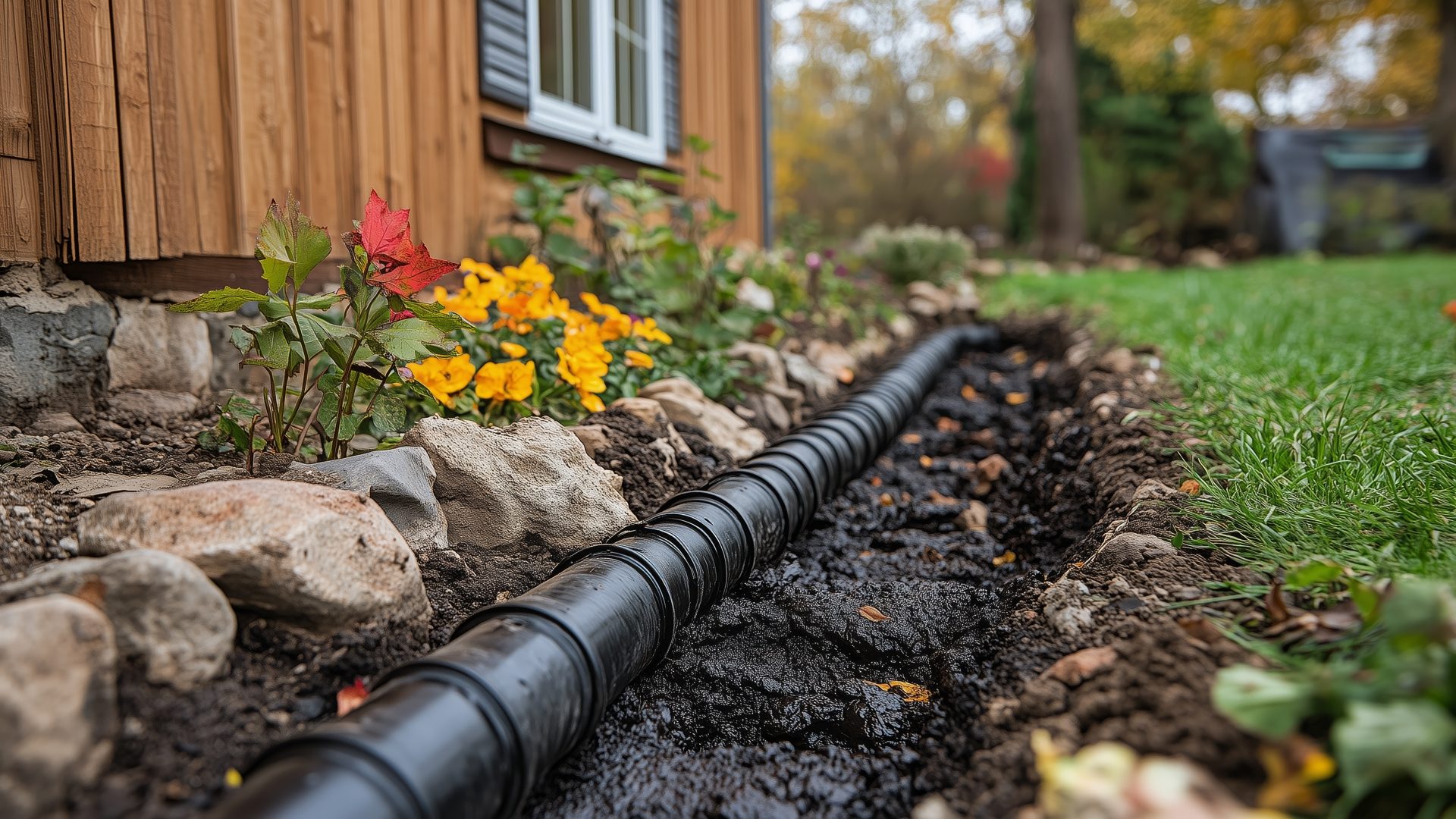
7 Signs Your Yard Has a Drainage Problem (and What Each One Means)
Drainage problems rarely announce themselves all at once. They show up as small signs that are easy to ignore until a wet spring or a heavy snowmelt …
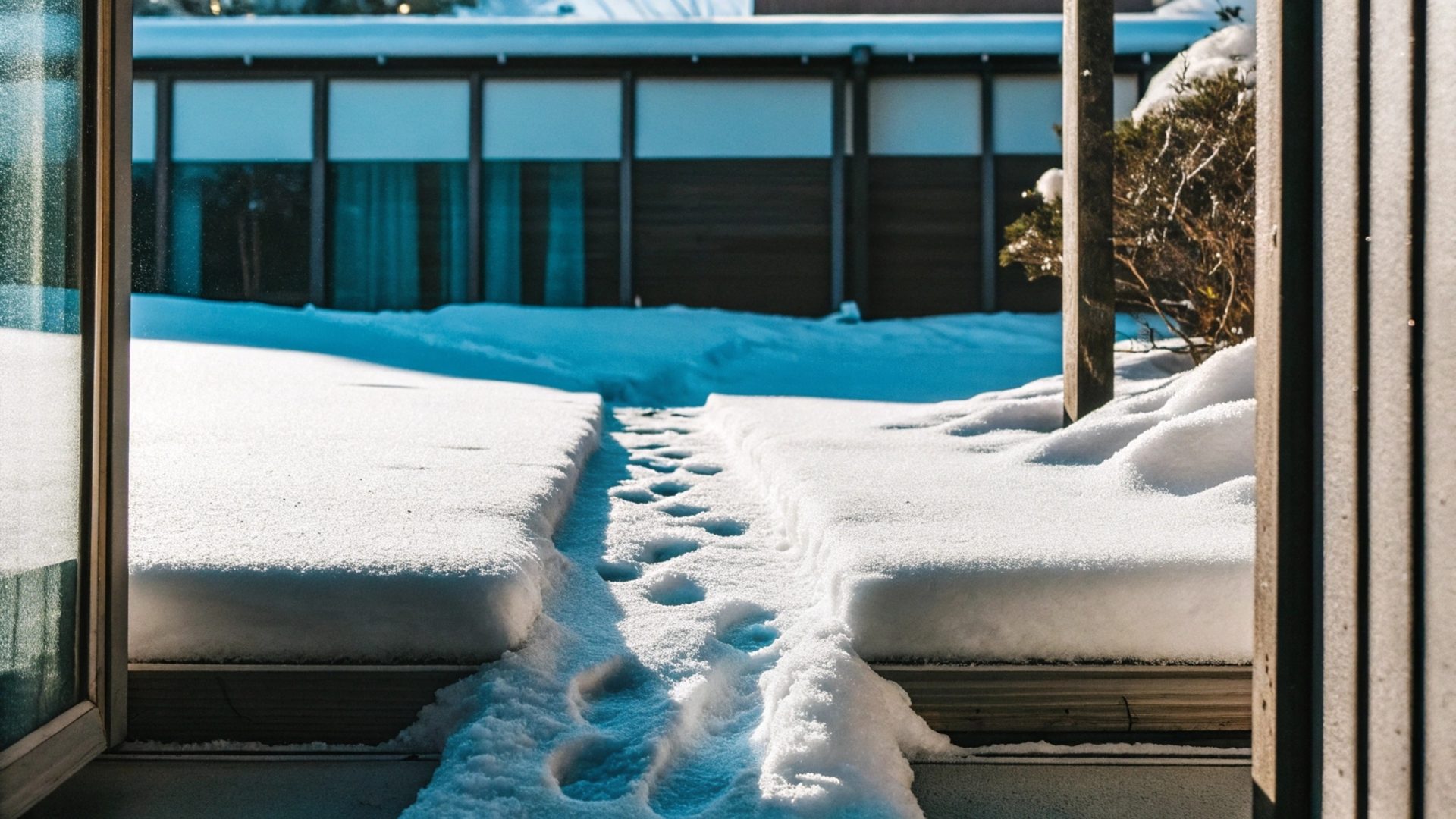
Winter Drainage Myths: What Really Happens When Snow Melts in Colorado Springs
Winter in Colorado Springs often looks calm on the surface, but what happens beneath the snow can quietly affect your landscape, hardscape, and …
Your Fall Checklist for Outdoor Drainage Systems
As fall settles into Colorado Springs, your focus may shift to cozy indoor projects, but this season is also one of the most critical times to care …
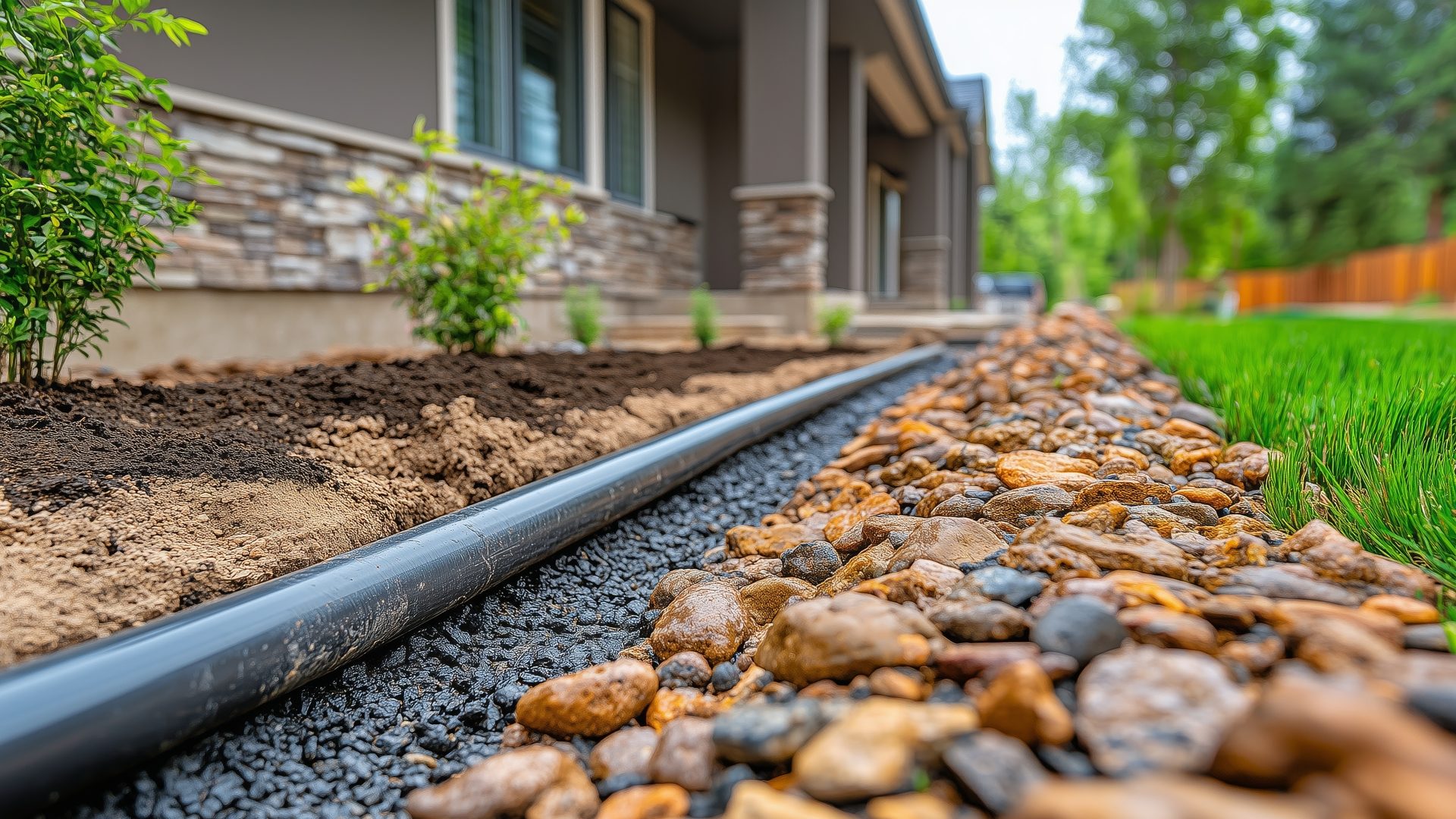
Backyard Drainage Woes? Fix Summer Flooding Before Fall Arrives
Colorado Springs homeowners know that late summer often brings unpredictable weather. By August, the monsoon season can unleash sudden downpours, …
Improving Drainage Before the Spring Thaw
As winter fades and temperatures rise, homeowners in Colorado Springs face a critical seasonal challenge—managing the excess water from melting snow …
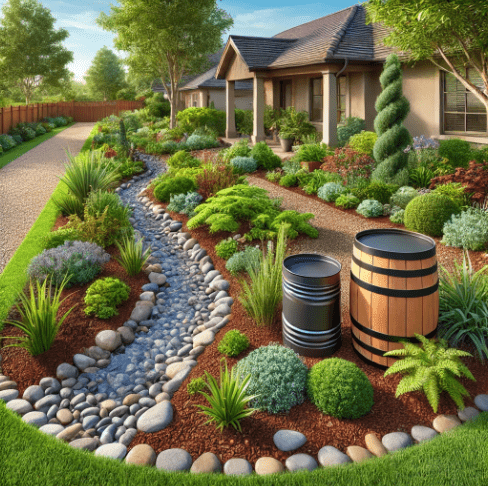
Eco-Friendly Landscaping: Innovative Sustainable Drainage Solutions
In today's world, eco-friendly landscaping is not just a trend—it's a necessity. With increasing concerns about water conservation and environmental …
More drainage guides

Get a Free Drainage Estimate
Is your home or yard ready for a transformation? Do you have fence to be built or repaired? Contact us today for a free quote!
Call Us Anytime
(719) 572-1768