






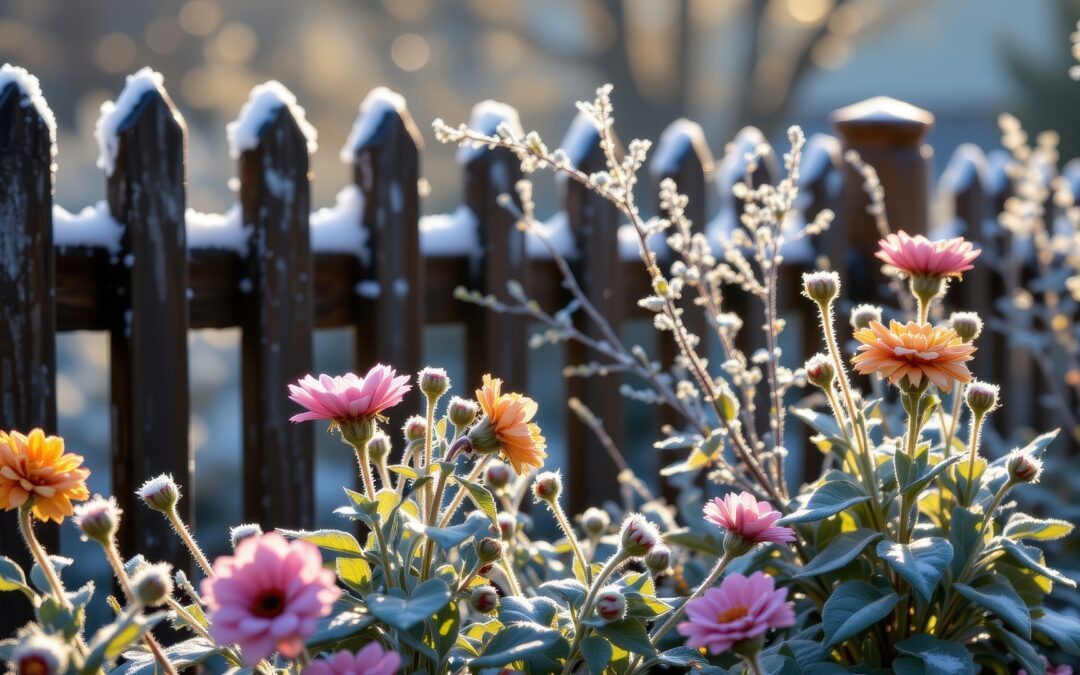
Winter weather in Colorado Springs can be tough on outdoor structures, and fences often take the brunt of it. Heavy snow, strong seasonal winds, and repeated freeze–thaw cycles all place stress on fence posts and panels. With a little seasonal attention, you can help your fence stay stable, upright, and secure throughout the winter months.
A fence that holds up well in winter is usually one that has been checked, cleared, and protected ahead of major storms. Here are practical, Colorado Springs–specific tips to help your fence handle snow, wind, and cold weather more effectively.
Understand How Winter Weather Affects Fences
Colorado Springs winters bring a unique mix of dry air, sudden snowfalls, and temperature swings. Snow buildup adds weight along fence rails and panels, while strong winds push against broad fence surfaces. At the same time, freezing and thawing soil can slowly shift fence posts below ground.
These changes often happen gradually. A fence may look fine early in the season, then begin leaning or loosening by late winter. Knowing what to watch for helps you respond early, before small issues turn into larger repairs.
Inspect Your Fence Before and Between Storms
A quick walk along your fence line during mild winter days can reveal early warning signs. Look for posts that move when gently pushed, rails that feel loose, or panels that no longer sit evenly. These are common indicators of soil movement caused by freezing and thawing.
Pay special attention to areas where snow tends to drift or where wind exposure is strongest. Corners, gates, and long fence runs often experience the most stress. Catching movement early allows for simple stabilization before conditions worsen.
Clear Snow Buildup Along the Fence Line
Snow piling up against a fence creates steady pressure that can weaken posts and rails over time. After heavy snowfall, take a few minutes to clear excess snow away from the base of the fence. This reduces weight and allows melting snow to drain instead of refreezing around posts.
Use a plastic shovel or broom to avoid damaging fence materials. Avoid scraping ice directly off panels, especially during very cold temperatures, when materials are more brittle. Gentle clearing is usually enough to protect the structure.
Protect Fence Posts from Freeze–Thaw Movement
Fence posts are the most vulnerable part of a fence during winter. When moisture in the soil freezes, it expands and can push posts upward. As it thaws, the ground settles unevenly, leaving posts loose or misaligned.
Good drainage is key. Make sure soil slopes slightly away from the fence line so melting snow does not pool around post bases. Avoid piling shoveled snow directly against posts, especially in shaded areas where ice lingers longer.
Secure Gates and Watch Wind Pressure
Winter winds in the Colorado Springs area can be strong, especially during passing storms and cold fronts. Gates are often the first components to show stress because they move and catch wind differently than fixed panels.
Check that gate hardware is secure and that gates latch properly when closed. If a gate swings freely in the wind, it can strain hinges and pull posts out of alignment. Keeping gates closed during high winds helps reduce unnecessary movement.
Address Small Issues Before They Grow
Winter is not the ideal time for major fence work, but small adjustments can make a big difference. Tightening fasteners, securing loose rails, or bracing a slightly unstable section during a mild day can help your fence stay upright through the rest of the season.
Ignoring minor issues allows winter conditions to amplify them. A small lean in December can become a noticeable shift by spring. Staying proactive helps protect both safety and long-term durability.
Avoid Common Winter Habits That Stress Fences
Certain winter routines can unintentionally damage fences. Stacking snow, firewood, or heavy items against a fence adds extra pressure where it is least needed. Directing shoveled or plowed snow toward fence panels concentrates weight and moisture in one spot.
Try to distribute snow evenly or move it away from fence lines when possible. Keeping space around the fence allows materials to expand and contract naturally without added strain.
Use Winter as a Planning Opportunity
Winter offers valuable insight into how your fence performs under stress. Notice where snow collects, where wind hits hardest, and which sections show movement. These observations can guide improvements or adjustments once spring arrives.
Planning ahead leads to better long-term results. Addressing layout, placement, or structural concerns early helps ensure your fence is better prepared for future Colorado Springs winters.
Stay Ahead of Winter Fence Wear
Winter does not have to mean fence damage is inevitable. A little seasonal attention, regular observation, and simple preventive care can help your fence stay strong through snow and wind. By clearing buildup, watching for movement, and avoiding unnecessary stress, you protect both function and appearance.
At Affordable Services Colorado Springs, we understand how local winter conditions impact outdoor structures year after year. Our team helps homeowners plan smart, durable solutions that stand up to Colorado weather. If you have concerns about your fence or want to prepare for the seasons ahead, we are here to help with practical guidance and experienced support.
