






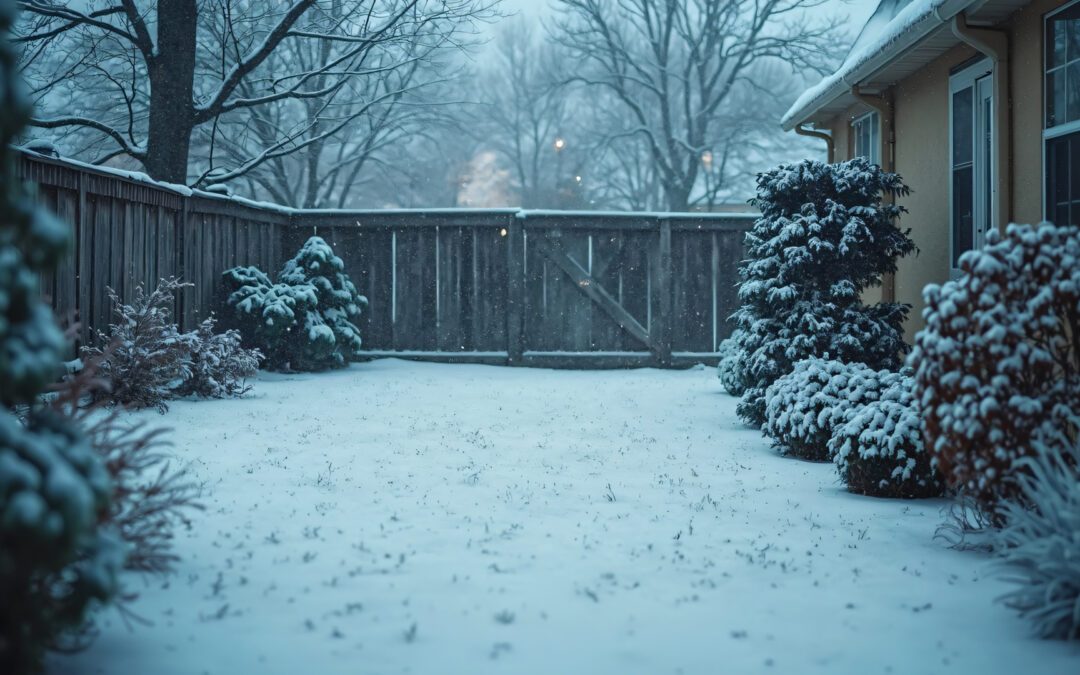
Winter snow is a fact of life in Colorado Springs, but how you manage it can make a big difference for your landscape, hardscape, and drainage systems. Many homeowners reach for chemical deicers without realizing the long-term damage they can cause to soil, plants, concrete, and nearby waterways. Smart snow management focuses on moving meltwater intentionally and protecting your property without relying on harsh products.
With the right approach, snow and ice can be handled in a way that supports your yard rather than harming it.
Why Snowmelt Management Matters in Colorado Springs
Snow doesn’t disappear when temperatures rise. It melts, refreezes, and slowly works its way into the soil and drainage systems around your home. In Colorado Springs, freeze–thaw cycles are common throughout winter, which means water is constantly expanding and contracting beneath surfaces.
Poor snow management can lead to:
-
Compacted soil and stressed plants
-
Cracked driveways and walkways
-
Ice buildup near foundations
-
Uncontrolled runoff that erodes landscaping
Managing where snow goes and how it melts is just as important as clearing it off walkways.
Skip the Chemicals and Protect Your Landscape
Traditional ice-melting chemicals may seem convenient, but they often create more problems than they solve. Many deicers introduce salts into the soil, which can disrupt plant health and reduce the soil’s ability to absorb water properly.
Over time, chemical buildup can:
-
Burn grass and ornamental plants
-
Alter soil structure
-
Damage concrete and masonry
-
Wash into storm drains during snowmelt
Eco-friendly snow management avoids these issues by working with natural materials and thoughtful placement rather than quick chemical fixes.
Shovel Smarter, Not Harder
Where you shovel snow matters just as much as clearing it.
Instead of piling snow along the edges of driveways or directly onto garden beds, try directing it toward areas where water can safely soak in. Open lawn spaces or gently sloped areas away from foundations are ideal.
Avoid stacking snow against fences, retaining walls, or near tree trunks. Heavy snow piles can compact soil and place unnecessary stress on both structures and plants when melting begins.
Use Natural Traction Materials
When ice becomes an issue, traction is often more important than melting.
Sand, gravel, or crushed stone provide grip without introducing harmful chemicals into the environment. These materials help reduce slips and falls while allowing ice to melt naturally as temperatures fluctuate.
Once winter ends, excess material can be swept up and reused or incorporated into pathways and landscaping areas.
Shape Snowmelt with Your Landscape
Your yard’s design plays a major role in how snowmelt moves across your property. Thoughtful grading and landscape features can guide water away from problem areas.
Sloped lawns, shallow swales, and permeable surfaces allow meltwater to move slowly and absorb naturally. Hardscape that sheds water toward planted areas rather than driveways or foundations helps reduce ice buildup and pooling.
Winter is a good time to observe how water flows during melt periods so adjustments can be planned for spring.
Protect Plants During Snow Season
Plants may be dormant, but they are still affected by winter conditions.
Snow piled on shrubs, and garden beds can insulate roots, but repeated freeze–thaw cycles combined with poor drainage can cause root stress. Keeping snow piles moderate and evenly distributed helps prevent oversaturation in one area.
If certain plants are consistently affected by runoff or ice buildup, it may be time to reconsider their placement or improve drainage in that zone.
Manage Runoff Near Driveways and Walkways
Driveways and sidewalks often collect the most snow and ice, which means they also generate the most runoff.
Directing meltwater away from these surfaces reduces refreezing and minimizes damage. Small landscape adjustments like edging, permeable borders, or gravel channels can guide water toward safer absorption areas.
These changes are subtle but effective, especially during warmer winter days when melting happens quickly.
Plan Ahead for Future Winters
Snow management is most effective when it’s planned, not reactive.
Winter is an ideal season to identify problem spots, drainage issues, and areas where snow piles cause damage. Addressing these concerns during the off-season can prevent costly repairs and plant loss later.
Eco-friendly snow strategies work best when they are built into the overall landscape design rather than applied as temporary fixes.
A Smarter Way to Handle Snow This Winter
Managing snow without chemicals protects your yard, hardscape, and the surrounding environment while still keeping your property safe and functional. By working with natural materials and thoughtful design, snowmelt becomes part of your landscape’s rhythm instead of a recurring problem.
At Affordable Services, we help Colorado Springs homeowners create landscapes that handle winter conditions as well as summer ones. If you want guidance on improving drainage, protecting plants, or planning long-term solutions for snow management, our team is here to help with practical, sustainable recommendations tailored to your property.
