






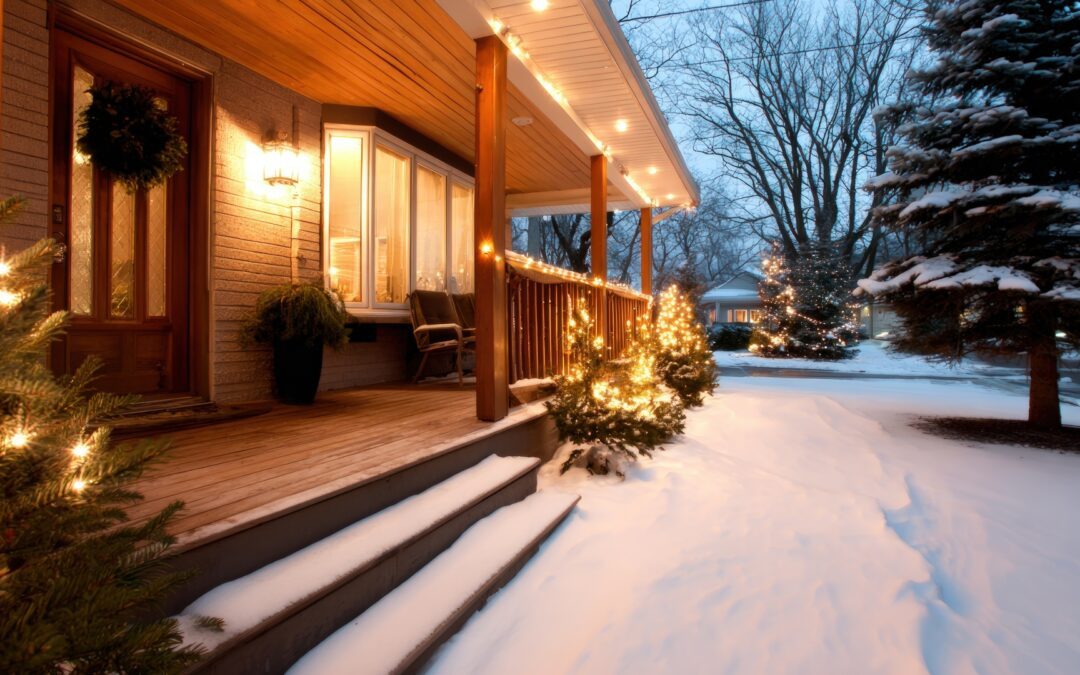
Winter in Colorado Springs brings shorter days, longer nights, and a noticeable shift in how outdoor spaces are used. By late fall and into winter, many homeowners find themselves navigating dark walkways, icy steps, and shadowed entry points well before dinner time. Thoughtfully planned outdoor lighting can make a big difference, improving safety, visibility, and comfort while still feeling warm and natural.
In a region known for cold temperatures, snow, and freeze-thaw cycles, outdoor lighting needs to be durable, energy-efficient, and designed with local conditions in mind. The right lighting choices help extend the usability of outdoor areas while keeping energy costs manageable during the colder months.
Why Winter Lighting Matters in Colorado Springs
Colorado Springs winters come with unique challenges. The sun sets early, snow reflects light unevenly, and icy conditions make visibility especially important. Poorly lit paths and entryways can quickly become safety hazards when temperatures drop and surfaces freeze overnight.
Outdoor lighting also plays a role in curb appeal during winter, when plants are dormant and landscapes rely more on structure, hardscaping, and natural textures. Subtle lighting can highlight stone features, pathways, and architectural elements without overpowering the natural character of the yard.
By focusing on energy-efficient solutions, homeowners can add warmth and security without increasing utility bills during an already energy-heavy season.
Energy-Efficient Lighting for Cold Weather Performance
Winter is not the time to rely on outdated or inefficient lighting systems. Energy-efficient options provide reliable illumination while standing up to cold temperatures and fluctuating weather.
LED Lighting for Consistent Winter Use
LED lighting is one of the most reliable choices for Colorado Springs winters. Unlike traditional bulbs, LEDs perform well in cold temperatures and maintain consistent brightness even on freezing nights.
LED fixtures also use significantly less energy, making them ideal for longer winter evenings. They work well for:
-
Walkway and path lighting
-
Entryway illumination
-
Driveway edges
-
Accent lighting on stone features or walls
Choosing warm-toned LEDs helps avoid harsh glare and creates a more inviting atmosphere, even when snow covers the ground.
Low-Voltage Systems for Safety and Efficiency
Low-voltage lighting systems are another practical option for winter conditions. These systems reduce electrical risk around snow and moisture while still providing enough light for safety and visibility.
Low-voltage fixtures pair well with LED bulbs and are commonly used along pathways, steps, and transitions between outdoor spaces. This approach helps prevent slips and falls while keeping lighting subtle and well-balanced.
Solar Lighting in High-Altitude Winter Conditions
Solar lighting can still be effective in Colorado Springs, even during winter, when used thoughtfully. High altitude and frequent sunny days work in favor of solar fixtures, though placement is key.
Best Uses for Solar Lighting in Winter
Solar lights perform best when installed in areas that receive direct sunlight for most of the day. In winter, this usually means avoiding shaded north-facing locations or areas blocked by buildings.
Solar lighting works especially well for:
-
Pathway markers
-
Garden borders with winter structure
-
Secondary walkways
-
Decorative accents
Choosing high-quality solar fixtures designed for colder climates ensures better battery performance and longer-lasting illumination after sunset.
Supplemental Lighting Strategies
In winter, solar lighting often works best as part of a layered lighting plan. Combining solar lights with LED or low-voltage fixtures ensures consistent coverage, even after cloudy days or snowstorms.
This layered approach keeps outdoor spaces functional without relying entirely on one lighting source.
Lighting for Safety on Icy Paths and Steps
Winter safety is a top concern for Colorado Springs homeowners. Ice can form quickly on steps, walkways, and driveways, especially during overnight temperature drops.
Pathway and Step Lighting
Well-placed pathway lights help define walking surfaces and make changes in elevation easier to see. Lighting installed along the edges of paths or steps provides guidance without shining directly into the eyes.
Spacing lights evenly prevents dark gaps that can hide ice patches or uneven surfaces. The goal is visibility, not brightness.
Entryway and Transition Areas
Entry points deserve extra attention during winter. Lighting near doors, gates, and transitions between surfaces helps reduce accidents and makes arriving home after dark more comfortable.
Soft, warm lighting near entrances also creates a welcoming feel during long winter evenings.
Creating Warmth Without Overlighting
Winter lighting should feel inviting, not harsh. Overly bright or cool-toned lighting can feel stark against snow and bare landscapes.
Warm Light for Natural Appeal
Warm white lighting complements natural stone, gravel, and hardscaping materials commonly used in Colorado Springs landscapes. It also reduces glare from snow, which can reflect bright light more intensely than other surfaces.
Warm lighting works well for:
-
Patios and seating areas used year-round
-
Accent lighting on retaining walls or stone features
-
Perimeter lighting that defines space without overwhelming it
Focus on Function and Balance
Instead of lighting everything evenly, focus on key areas where light is most useful. Highlighting paths, entrances, and structural features creates a balanced look that feels intentional and calm.
This approach supports both safety and aesthetics while keeping energy use under control.
Weather-Resistant Fixtures for Freeze-Thaw Cycles
Colorado Springs winters are known for freeze-thaw cycles that can stress outdoor fixtures. Choosing weather-resistant materials is essential for long-term performance.
Fixtures rated for outdoor winter use should be sealed against moisture and designed to handle temperature swings. Durable materials like metal or composite housings tend to perform better than lightweight plastic in cold conditions.
Proper installation also matters. Secure placement helps prevent shifting due to frost movement or snow buildup, reducing the need for repairs in spring.
Seasonal Planning for Winter Lighting
Late fall is an ideal time to evaluate outdoor lighting before winter fully sets in. As daylight hours shorten, lighting needs become more noticeable, making it easier to identify dark areas or safety concerns.
Addressing lighting before heavy snow arrives allows systems to be installed and adjusted under safer conditions. It also ensures outdoor spaces remain usable and secure throughout the winter months.
Bringing It All Together
Outdoor lighting in winter is about more than visibility. In Colorado Springs, it supports safety, enhances natural features, and makes outdoor spaces feel welcoming even during the darkest months of the year.
By choosing energy-efficient LED systems, thoughtfully placed solar fixtures, and warm-toned lighting, homeowners can create outdoor environments that function well in cold weather without unnecessary energy use.
Conclusion
Colorado Springs winters do not have to limit how you experience your outdoor space. With the right lighting strategy, pathways stay safe, entryways feel welcoming, and winter landscapes remain visually engaging after sunset. Energy-efficient and weather-ready lighting solutions help you navigate darker months with confidence while adding warmth and character to your property.
Staying proactive with seasonal upgrades ensures your outdoor areas remain practical and enjoyable all winter long. For more expert tips tailored to Colorado Springs conditions, sign up for the Garden Gems newsletter and receive helpful insights delivered straight to your inbox.
