






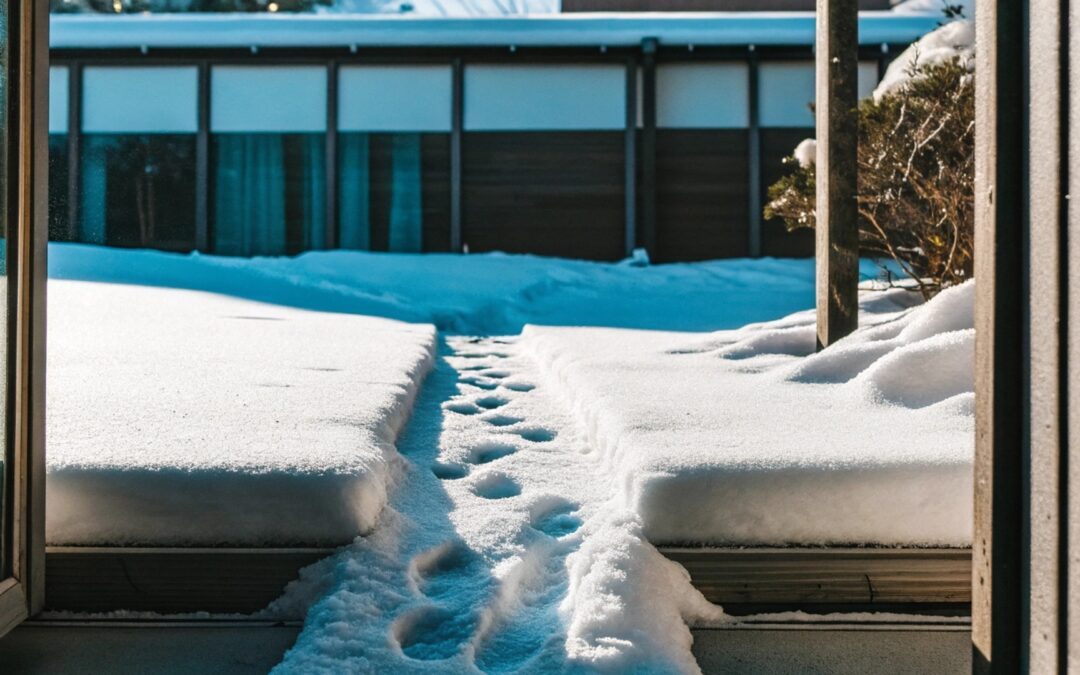
Winter in Colorado Springs often looks calm on the surface, but what happens beneath the snow can quietly affect your landscape, hardscape, and foundation. As temperatures fluctuate, melting snow and refreezing ground create drainage challenges that many homeowners misunderstand. These misconceptions can lead to water pooling, soil movement, and long-term damage if left unaddressed. Understanding how winter drainage actually works is key to protecting your property through freeze–thaw cycles.
Myth 1: Frozen Ground Means Water Can’t Move
A common belief is that once the ground freezes, water simply stays on the surface until spring. In reality, Colorado Springs soil often freezes unevenly, especially during periods of daytime thaw and overnight refreeze. Meltwater can still travel through unfrozen layers beneath the surface, sometimes collecting in low areas where drainage is poor. This hidden movement is what causes winter puddling, icy patches, and soil saturation near foundations.
Proper grading plays an important role here. When land slopes correctly away from structures, even limited winter drainage helps water move where it should instead of settling near your home.
Myth 2: Snowmelt Is Slow and Harmless
Snowmelt in Colorado Springs is rarely slow or gentle. Rapid temperature swings can cause large amounts of snow to melt quickly, overwhelming areas that were never designed to handle sudden runoff. When water refreezes, it expands, pushing soil and creating small shifts that add up over time. These freeze–thaw cycles can loosen compacted ground and worsen existing drainage issues.
Without thoughtful grading, repeated winter melt events may redirect water toward patios, walkways, or structural edges rather than away from them.
Myth 3: Drainage Problems Only Matter in Spring
While spring runoff is more visible, winter is often when drainage problems begin. Water that collects during snowmelt can freeze overnight, trapping moisture in the soil and weakening its structure. Over the season, this repeated stress can contribute to erosion, sunken areas, and uneven surfaces. By the time spring arrives, the damage may already be done.
Addressing drainage as a year-round concern, especially during winter, helps prevent costly repairs later.
Why Grading Matters During Freeze–Thaw Cycles
In Colorado Springs, proper grading is one of the most effective ways to manage winter moisture. Even subtle slopes guide meltwater away from foundations and high-traffic areas before it has time to freeze again. Well-graded landscapes also dry more evenly, reducing the chance of ice buildup and soil displacement.
Winter conditions make it clear where water naturally wants to flow. Observing these patterns now can reveal grading issues that are easy to overlook during dry months.
Simple Winter Drainage Awareness Tips
Winter is not the season for major landscape changes, but it is a valuable time for observation. Watch where snow melts first and where water tends to linger. Take note of icy patches that reappear after each thaw, as they often indicate poor drainage below. Clearing snow thoughtfully and avoiding piling it near foundations can also help reduce excess moisture buildup.
These small steps provide insight into how your landscape behaves during winter without disturbing frozen ground.
Final Thoughts
Winter drainage in Colorado Springs is more active than it appears, and understanding how snowmelt interacts with frozen soil can make a meaningful difference in protecting your property. Freeze–thaw cycles reveal grading and drainage issues that often stay hidden during warmer months. By paying attention now, homeowners can plan smarter improvements when conditions allow.
If you want guidance tailored to your property and local conditions, Affordable Services is here to help you make informed, season-ready decisions for your outdoor spaces.
